Spaced repetition is about repeating in intervals (spaces). It improves memorization compared to cramming because the intensity of emotions is higher.
Hermann Ebbinghaus, a German psychologist, first introduced spaced repetition (aka spacing effect) in 1885.
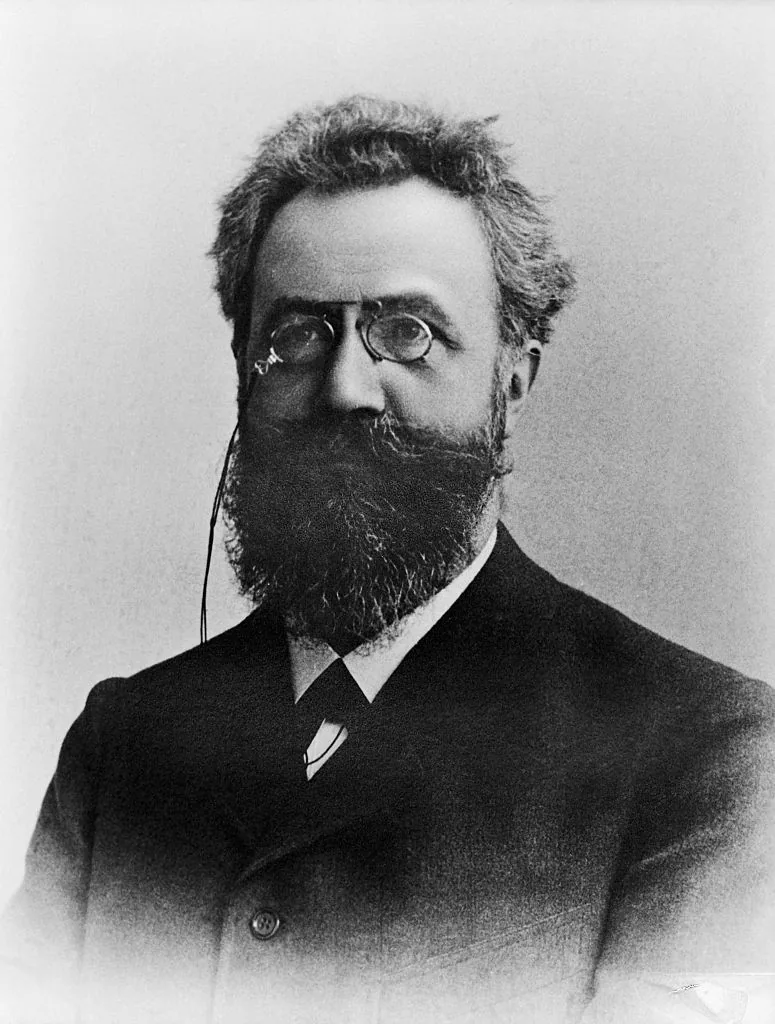
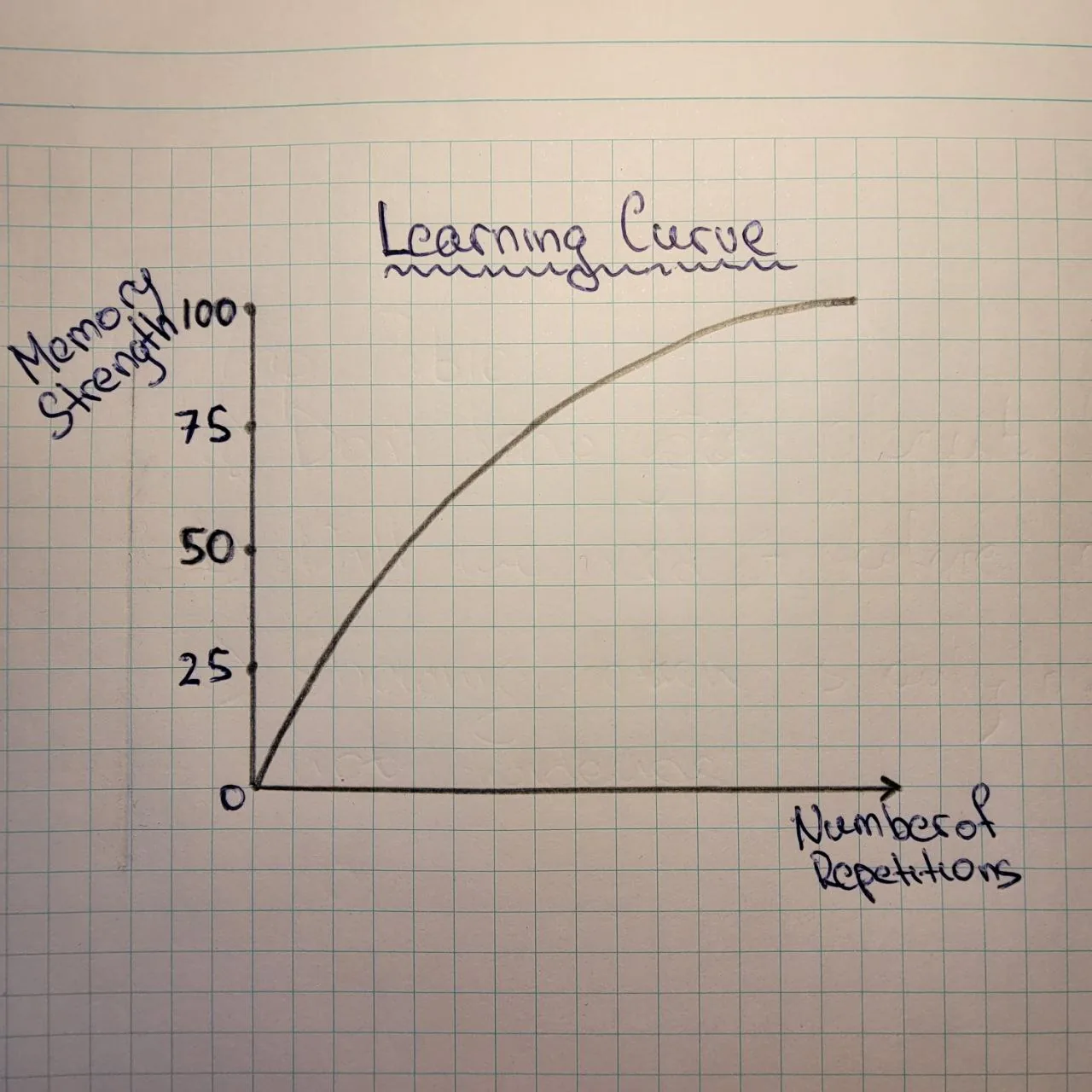
Ebbinghaus developed a concept of a learning curve. The learning curve describes that the number of repetitions improves retention.
He also suggested the forgetting curve (Ebbinghouse curve). When we learn new information it fades away in our memory over time, first at a high speed and then slower.
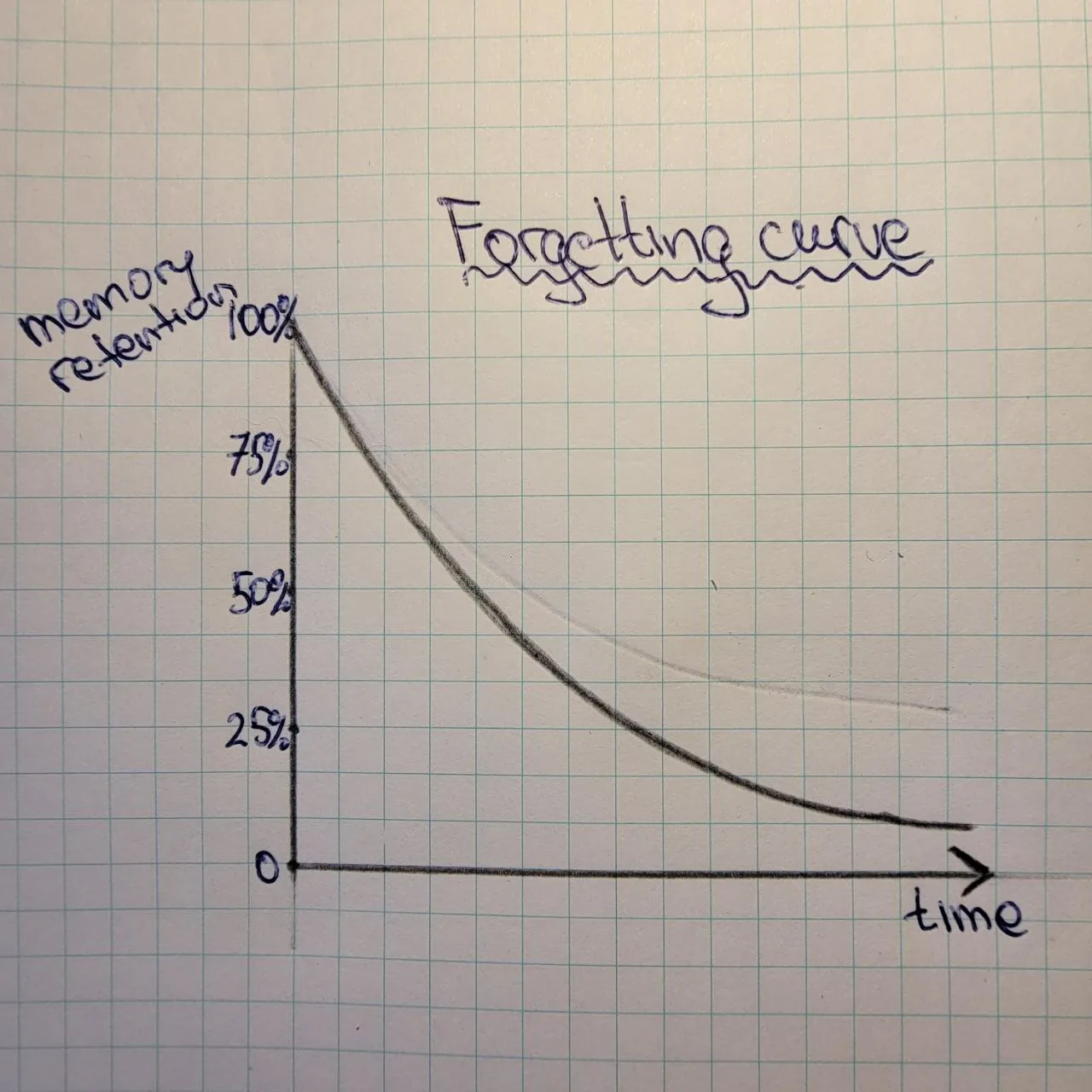
The forgetting curve is a classical half-life decay curve, just like in Uranium. See, nuclear physics and spaced repetition have a lot in common!
The forgetting curve can be described with a simple formula: p=2^(-t/h). Where p is the memory retention (probability of recall), t is time and h is the strength of memory.
Each time we review the information the forgetting curve resets to 100% and the memory strength improves. Next time it will take longer for the memory to fade away.
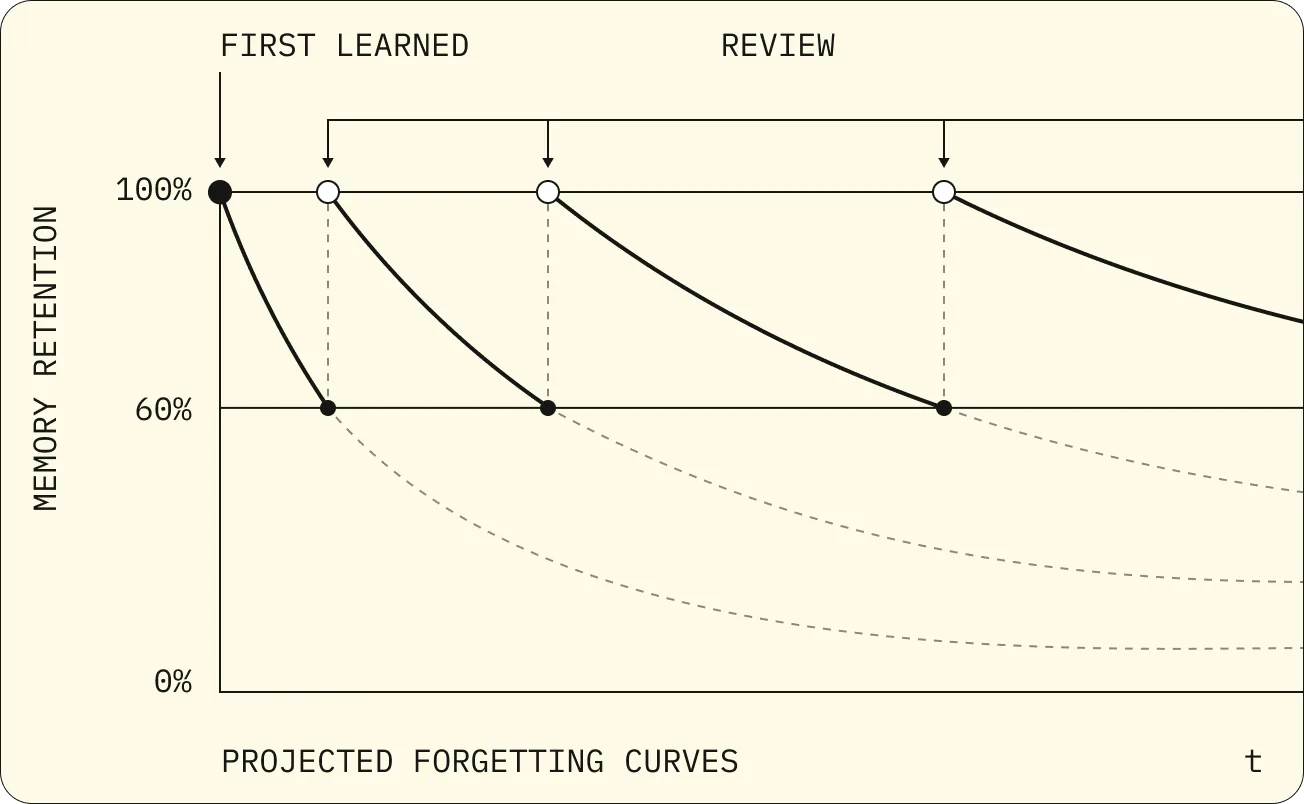
The optimal time to review is when you are just about to forget a piece of information. Everyone learns at a different pace, so it varies from person to person.
We can improve on spaced repetition further by active recall - stimulating our memory for a piece of information.
Increasing the intensity of emotions associated with the memory. Images, sounds, emotions, smells and stories can be strong hooks for memory and recall.
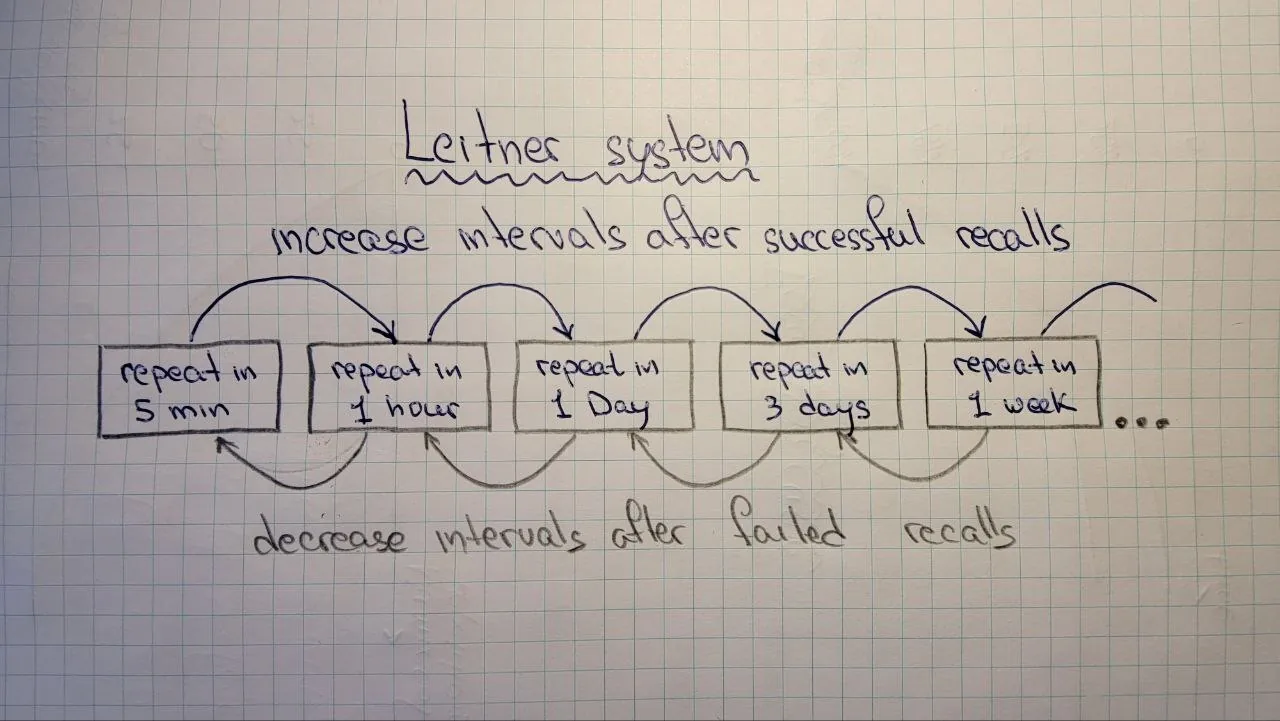
Spaced repetition has been improved further by Sebastian Leitner, a German journalist, in 1972.
Leitner suggested to decrease the frequency of reviews each time you successfully remember information and at the same time to increase the frequency if you didn’t recall successfully.
Nowadays, the optimal spaced repetition algorithm has been further developed by Piotr Wozniak, a Polish researcher. He optimized the optimal timing and knowledge strength parameters that are now tailored to each individual learner.
Piotr Wozniak likes to remain anonymous, so here is a picture of Steve Wozniak instead.

Spaced repetition is a fantastic tool for long-term retention. Nowadays, there are many apps that combine spaced repetition and flashcards. Our favorite here is Karteto - a flashcard app that makes learning languages with spaced repetition fun!